
janderson99-HubPages
Mulberries
originated China, but have been cultivated and selective bred in Europe
and the rest of the world for hundreds of years. Mulberry trees are
easy to grow and are very prolific with yields far exceeding those of
other berries such as blueberries, cranberries, loganberries, raspberry
and blackberry.
This article describes how to grow mulberries in your own garden and how to pick and use mulberry leaves and fruit.
It also includes the nutrition data and health benefits of mulberries compared with other berries. Mulberry leaves also have many health benefits and uses, which are described.
Enjoy your mulberries!
This article describes how to grow mulberries in your own garden and how to pick and use mulberry leaves and fruit.
It also includes the nutrition data and health benefits of mulberries compared with other berries. Mulberry leaves also have many health benefits and uses, which are described.
Enjoy your mulberries!
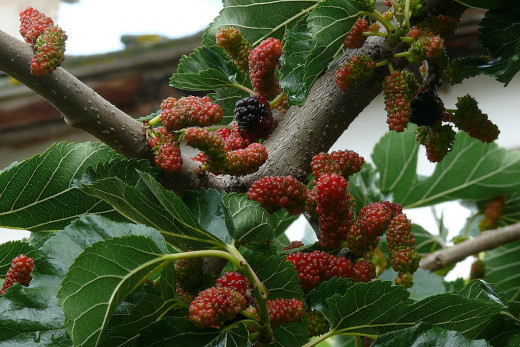
Mulberry
trees are easy to grow and there are several varieties to choose from.
Learn how to cultivate mulberries in your own garden | Source
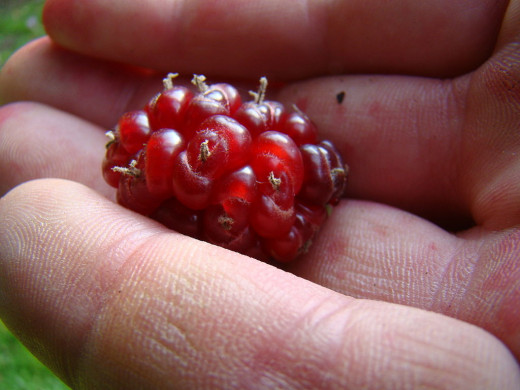
Mulberries
are delightful fruit that are very healthy with many health benefits.
Discover the nutritional benefits of mulberries here in this article | Source
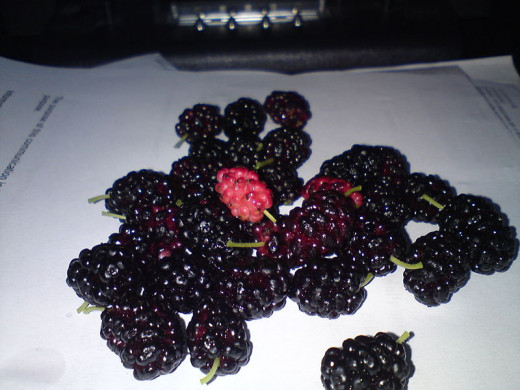
Mulberry tree are prolific and there are many uses for the berries and leaves. Learn more here | Source
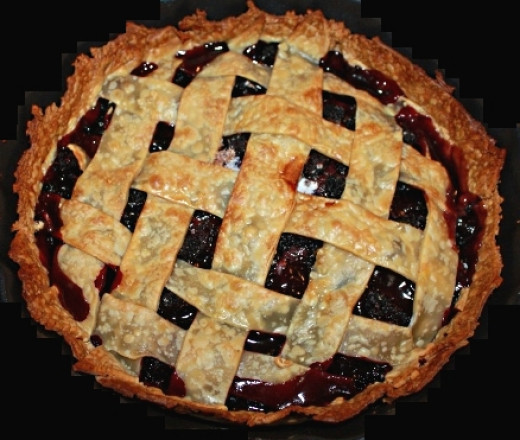
Mulberry pie is a delightful dish especially when made from fresh fruit, picked ripe from your own tree. | Source
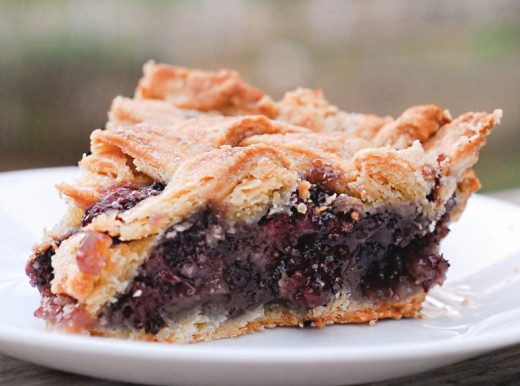
mulberry pie
is delicious and very good for you. See how mulberries compare with
other berries for nutrition and health benefits. | Source

Cultivating Mulberry Trees in Home Gardens
While
red and white mulberry tree varieties are available, the traditional
black fruit variety is generally the best choice for home gardens and
small orchards. Black mulberries don't grow as large, though they need
plenty of room and can grow to a height of 30 ft (10 m) with a canopy of
15 ft (5 m). They can be pruned to maintain a suitable shape and to
keep the fruit reachable when harvesting. Black mulberries also last
longer than other varieties and arguably have the best flavor.
Mulberries prefer a warm climate with good rainfall, but can do well in colder drier areas and even in exposed coastal areas, when planted in sheltered positions, shielded from strong winds. They prefer deep well-drained soil and appreciate regular doses of organic fertilisers and manure. However, larger mature trees can tolerate drought.
Ripe mulberries are very dark, soft and sweet, with a slight hint of tartness. Fresh mulberries do not keep well, and so pick them when needed, and eat them or cook or process them for freezing and preserving within a day or so of harvesting.
Fortunately, mulberries have a long picking and harvesting season, as all the fruit do not ripen at the same time and so you can enjoy picking fresh fruit over several weeks in later summer or early fall (autumn).
Mulberries prefer a warm climate with good rainfall, but can do well in colder drier areas and even in exposed coastal areas, when planted in sheltered positions, shielded from strong winds. They prefer deep well-drained soil and appreciate regular doses of organic fertilisers and manure. However, larger mature trees can tolerate drought.
Ripe mulberries are very dark, soft and sweet, with a slight hint of tartness. Fresh mulberries do not keep well, and so pick them when needed, and eat them or cook or process them for freezing and preserving within a day or so of harvesting.
Fortunately, mulberries have a long picking and harvesting season, as all the fruit do not ripen at the same time and so you can enjoy picking fresh fruit over several weeks in later summer or early fall (autumn).
Uses of Mulberries
- Mulberries freeze well and are ideal for jams, jellies and other preserves
- You can use them to make famous mulberry wine.
- Fresh or frozen mulberries can be used for smoothies and for making mixed fruit juices.
- Mulberries are ideal for serving with ice cream, yogurt and other fresh fruit dishes
- Mulberries are ideal for baking, including pies, flans, cobblers, muffins, pancakes, cakes, biscuits and cookies.
- Increase their use by combining mulberries with other berries and fruit and even serve with salads.
- Eat mulberries raw as a great snack between meals.
Nutrition Facts for Mulberries Compared with Other Berries
The
table below summarises the nutrition data for 100 g of fresh mulberry
compared with other berries - Blueberry, Raspberry and Blackberry. The
major health benefits of mulberry fruit are:
- Relatively low in calories with only just 43 calories per 100 g, which is lower than the other berries listed in the table below
- They are a rich source of anti-oxidants and phyto-nutrient compounds such as anthocyanins and resveratrol.
- Mulberries are a rich source of vitamin-C with 36 mg per 100, which is about 60% of the recommended daily intake for this essential vitamin.
- Mulberries are also a rich source of other vitamins, particularly vitamins A, K and E and also the B-complex vitamins - B-6, niacin and folic acid.
- Mulberries are an excellent source of iron containing 1.85 mg of Iron per 100 g of fruits (about 25% of the recommended daily intake). They are also a good source of a range of other minerals such as manganese, potassium, calcium and magnesium.
- Mulberries have less fiber than other berries, but have higher levels of protein and less fat.
Health Benefits of Mulberry Leaves and Tea
Mulberry
leaves, made into a herbal tea has been used in traditional Chinese
medicine for centuries. Some of the claimed benefits are:
- Antioxidant properties
- Reducing lower cholesterol and triglycerides
- Reduce inflammation
- Lowers Blood Glucose Levels
- Lowers hypertension
- Improves skin health
- Aids digestion, assimilation and helps in treating constipation
- Boosting general health through the high levels of vitamins A, C and B , minerals and amino acids in mulberry leaves, tea, infusions and extracts.
Nutrients for 100 g Serving
|
Mulberry
|
Blueberry
|
Raspberry
|
Blackberry
|
|---|---|---|---|---|
Energy
|
43 Kcal
|
57 Kcal
|
52 Kcal
|
43 Kcal
|
Carbohydrates
|
9.80 g
|
14.49 g
|
11.94 g
|
9.61 g
|
Protein
|
1.44 g
|
0.74 g
|
1.20 g
|
1.39 g
|
Total Fat
|
0.39 g
|
0.33 g
|
0.65 g
|
0.49 g
|
Cholesterol
|
0 mg
|
0 mg
|
0 mg
|
0 mg
|
Dietary Fiber
|
1.7 g
|
2.4 g
|
6.5 g
|
5.3 g
|
Vitamins
| ||||
Folates
|
6 mcg
|
6 mcg
|
21 mcg
|
25 mcg
|
Niacin
|
0.620 mg
|
0.418 mg
|
0.598 mg
|
0.646 mg
|
Pyridoxine
|
0.050 mg
|
0.052 mg
|
0.055 mg
|
0.030 mg
|
Riboflavin
|
0.101 mg
|
0.041 mg
|
0.038 mg
| |
Vitamin A
|
25 IU
|
54 IU
|
33 IU
|
214 IU
|
Vitamin C
|
36.4 mg
|
9.7 mg
|
26.2 mg
|
21 mg
|
Vitamin E
|
0.87 mg
|
0.57 mg
|
1.42 mg
|
1.17 mg
|
Vitamin K
|
7.8 mcg
|
19.3 mcg
|
7.8 mcg
|
19.8 mcg
|
Electrolytes
| ||||
Sodium
|
10 mg
|
1 mg
|
1 mg
|
1 mg
|
Potassium
|
194 mg
|
77 mg
|
151 mg
|
162 mg
|
Minerals
| ||||
Calcium
|
39 mg
|
6 mg
|
25 mg
|
29 mg
|
Copper
|
60 mcg
|
90 mcg
|
165 mcg
| |
Iron
|
1.85 mg
|
0.28 mg
|
0.69 mg
|
0.62 mg
|
Magnesium
|
18 mg
|
6 mg
|
22 mg
|
20 mg
|
Manganese
|
0.336 mg
|
0.670 mg
|
0.646 mg
| |
Selenium
|
0.6 mcg
|
0.4 mcg
| ||
Zinc
|
0.12 mg
|
0.16 mg
|
0.42 mg
|
0.53 mg
|
Phyto-nutrients
| ||||
Carotene-ß
|
9 mcg
|
32 mcg
|
12 mcg
|
128 mcg
|
Carotene, α
|
12 mcg
|
16 mcg
|
0 mcg
| |
Lutein-zeaxanthin
|
136 mcg
|
80 mcg
|
136 mcg
|
118 mcg
|
| Article Source:http://hubpages.com/health/Mulberry-Tree-Health-Benefits-of-Fruit-Leaves-Nutrition-Cultivation |